Call (847) 250-9311

How to Prepare Your Commercial Building for Heating Season
Get the Comfort You Deserve
Illinois experiences frigid, snowy winters, so preparing your commercial building for the heating season is extremely important. With proper preparation, your system will operate efficiently, and your business will remain safe and comfortable all winter. The experienced team at On the Mark Heating & Air offers helpful insights on how to prepare your commercial HVAC system and building for the upcoming heating season. We’re a family-owned, local, reliable, qualified commercial HVAC company that services heating systems from inspection to replacement.
Why Preparing Commercial Properties Before Cold Weather Matters
No matter what type of commercial building you own, it’s important to prepare before the cold weather in Illinois arrives. Here’s why preparing your commercial property in advance is so important:
- Doing simple pre-winter preparation tasks, like insulating your pipes, helps prevent water from freezing and cracking the lines, reducing costly breakdowns and water damage.
- Scheduling commercial HVAC service, such as inspections and tune-ups, before the heating season helps you identify and address minor issues early, before they turn into stressful, costly breakdowns in the middle of winter.
- Early fall HVAC maintenance and a second spring system checkup keep your commercial heating system running smoothly, reducing downtime and lowering operating costs.
Do You Know What Type of Heating System Your Building Uses?
Before scheduling commercial HVAC maintenance, it’s important to know exactly which heating system your building uses. Your maintenance priorities will vary based on the type of equipment you have. These systems differ based on factors such as equipment type and setup, operating mechanisms and components, required energy source, and more.
- Rooftop packaged units (RTUs): These commercial systems provide heating and cooling together and feature large metal boxes placed on flat roofs that use electric or gas resistance coils to blow treated air through your ductwork.
- Furnaces: Commercial furnaces heat the air using a heat exchanger that forces the treated air through a network of metal ducts to deliver warmth to different parts of the building.
- Boilers: Typically found in older commercial properties, these systems use gas, oil, or electricity to generate steam or heat water, which is then sent through pipes to air handlers or radiators to distribute heat throughout the building.
- Heat pumps: Commercial heat pumps extract heat from the outdoor air or the ground and transfer it indoors for reliable heating.
- Variable refrigerant flow (VRF) systems: These energy-efficient HVAC systems for commercial buildings are advanced mini-split systems that use refrigerant lines to heat (or cool) different zones in your commercial building independently.
- High-temperature high-velocity (HTHV): This large-volume industrial heating system manages ventilation and heating simultaneously for huge commercial or industrial facilities.
Commercial Heating System Season Checklist
Routine, professional commercial furnace maintenance helps prevent costly breakdowns, but you can also take steps on your own to support optimal performance. Follow this building maintenance checklist to ensure your commercial heating system is ready for winter.
1. Replace or inspect air filters
Inspect your air filter(s) occasionally to look for dirt or blockages, especially during periods of heavy use. Whenever you encounter a dirty or clogged filter, replace it with a new one to support clear, strong airflow and reliable performance through the winter. Replacing a dirty air filter also keeps the air in your commercial building clean and healthy while reducing excess wear and tear on the system.
2. Test thermostats and building controls
Test your thermostats and commercial building controls by verifying AC power and checking low-voltage wiring continuity. Turn off the building’s main power and remove thermostat faceplates to inspect the physical wiring condition and connections. To test the building controls, raise the current temperature and engage the fan switch to “On” to check for continuity between the R, C, W, and G terminals and confirm that your equipment is communicating with the thermostat.
3. Inspect heat exchangers
Regular inspections of commercial heat exchangers help to prevent costly equipment breakdowns and hazardous carbon monoxide leaks. Look for visible signs of damage, like rust, soot, or cracks, to confirm that the component is in good working order. If you notice any damage, contact On the Mark for commercial HVAC repair.
4. Check belts and motors
Checking belts and motors before heating season is part of good commercial and rooftop unit maintenance. Turn off the main disconnect switch and apply Lockout/Tagout tags before removing the service panels or doors leading to the blower and motor areas. Perform a visual check to inspect for splits, cracks, or fraying of the belts, and push on the middle of the belts to check the tension. You can also quickly inspect the motors for issues, but a professional inspection and rooftop unit repair are recommended if you encounter any problems.
5. Inspect gas connections
Inspecting the gas connections on commercial HVAC systems is vital to protect your employees and the members of our community. Make sure the gas meter is free of rust and physical damage, confirm that the gas piping to the heating unit is secure, and verify that all pipes are properly color-coded or have gas line identification labels. This is also a good time to check that emergency shut-off valves are clearly visible and easily accessible.
6. Verify airflow throughout the building
In most cases, you can make an educated guess as to whether you have decent airflow throughout your commercial building. For a more accurate assessment, measure the Total External Static Pressure (ESP) with a digital manometer and static pressure probes. Compare the readings with the manufacturer’s blower motor performance tables to see if they’re within range.
7. Clean coils
Keeping condenser/evaporator coils clean is important for reliable heating performance. Shut off power at the breaker, remove the access panels, and brush or vacuum away loose dirt and debris. You can also rinse debris with a hose on the low-pressure setting or apply a safe commercial-rated coil cleaner.
8. Inspect electrical components
An experienced HVAC technician should perform electrical testing, but you can do some general visual inspections. Look for frayed insulation, kinks, or burns on wiring, and check that the screw terminals are tight. If you see any white or green powdery buildup (corrosion), clean or replace the terminals for safe operation.
9. Check safety controls
The safety controls for your commercial heating system will vary based on the type of equipment you have. Inspect the pressure and thermal limit switches to test for continuity and proper voltage. Check to confirm that all gas or oil pressure switches trip correctly, and test pressure relief valves using the lift lever to verify proper movement.
10. Test system startup
Once you’ve followed the steps above, test the system startup operation by verifying that all fuel or electrical supplies are on and active. Run the system controls to ensure everything is operating as it should, and turn the thermostat up to confirm the system is adequately heating your building. Listen for unusual noises or odors that persist after startup is complete, which may indicate a potential system issue.
Don’t Forget Indoor Air Quality During Heating Season
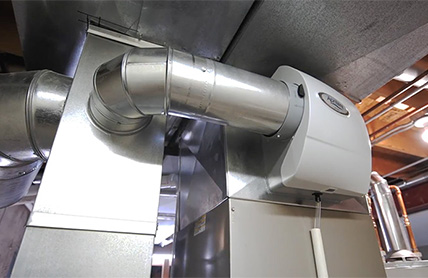
Since your doors and windows remain closed during the heating season in the Schaumburg area, routine maintenance is necessary to maintain healthy indoor air quality. Replacing air filters helps to capture smoke, dust, and microbes while supporting strong, clear airflow. Cleaning your evaporator coils prevents standing water that encourages mold and mildew growth. Keeping relative humidity within the ideal range also discourages dust mites and mold, while checking air intakes and exhaust fans keeps stale indoor air flushed out.
Common Problems Found During Fall Commercial HVAC Inspections
As experienced local commercial HVAC contractors, here are some of the most common problems we find during fall commercial HVAC inspections:
- Dirty air filters restricting airflow and increasing heating system operating costs.
- Condensate drains clogged with slime or debris cause water overflow and property damage.
- Worn fan belts and motor bearings produce loud noises and reduce blower output.
- Leaky or damaged ductwork causes heated air to escape, uneven temperatures, and higher energy bills.
- Damaged electrical components or wiring issues prevent outdoor fans from operating correctly.
- Cracked heat exchangers on commercial furnaces create hazardous carbon monoxide leaks.
- Outdated or broken thermostats and control systems cause issues with commercial heating cycles and performance.
Benefits of Preventative Commercial HVAC Maintenance
Skipping commercial HVAC maintenance may lead to unexpected breakdowns, high energy bills, and poor indoor air quality. We recommend establishing a commercial HVAC maintenance agreement to ensure your system gets the care it needs on time, every time. The cost of a maintenance agreement is well worth it to preserve performance and ensure everyone in your building has safe, reliable heating when outdoor temperatures drop.
Routine maintenance also keeps your manufacturer’s warranty active and valid in case you need to use it to help cover the cost of certain repairs. Twice-annual maintenance also reduces strain on the system, so it doesn’t have to work as hard to heat your building, which in turn prolongs equipment lifespan and lowers overall operating costs.
Schedule Your Commercial Heating Inspection With On The Mark Heating & Air Before Cold Weather Sets In
Keep your Schaumburg, IL, area business running smoothly with a professional commercial heating inspection and maintenance service from On the Mark Heating & Air. To schedule your appointment before the cold winter weather sets in, contact us today!
Meet the Author
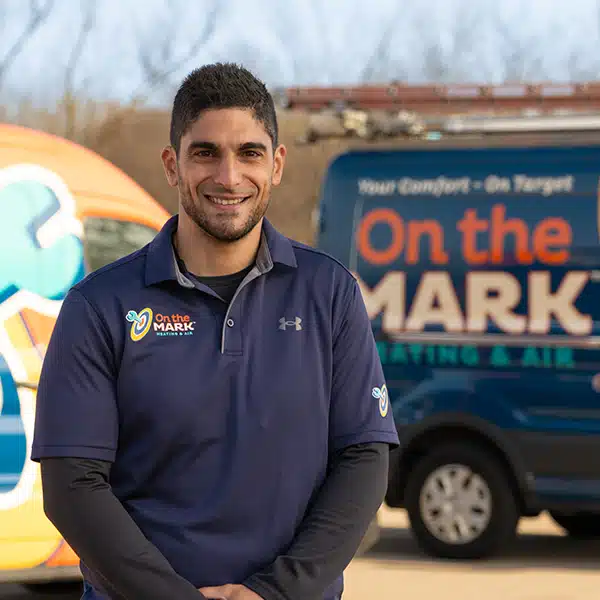
Mark Portuese
Founder & NATE Certified HVAC Technician
With more than 18 years of experience in the HVAC industry, Mark has built his career from the ground up. He started as a maintenance technician before advancing into service, installation, and sales, gaining hands-on experience across every aspect of the industry.
That experience eventually led him to start On the Mark Heating & Air from scratch, with a commitment to providing homeowners with thoughtful, high-quality HVAC solutions. As a NATE-certified technician, Mark brings both extensive field experience and a strong technical foundation to every project.
We're Ready to Help!
Need service for your home? Book an appointment online to receive fast reliable service!
Schedule Now Schedule Now5 Star Rating | 900+ Google Reviews
Hear from your neighbors about our heating, cooling and indoor air quality services in Schaumburg, IL.