
 Call (847) 250-9311
Why Your Upstairs Is Always Hot in Summer and What You Can Do About It
Get the Comfort You Deserve
Does it ever feel like your upstairs is in a completely different climate than your downstairs in the summer? It’s a frustrating issue, especially if your bedroom is up there, yet many people still don’t know how to fix it. So instead of endlessly asking, ‘Why is my upstairs so hot?’ Let’s dive into the most common causes and see what you can do about them.
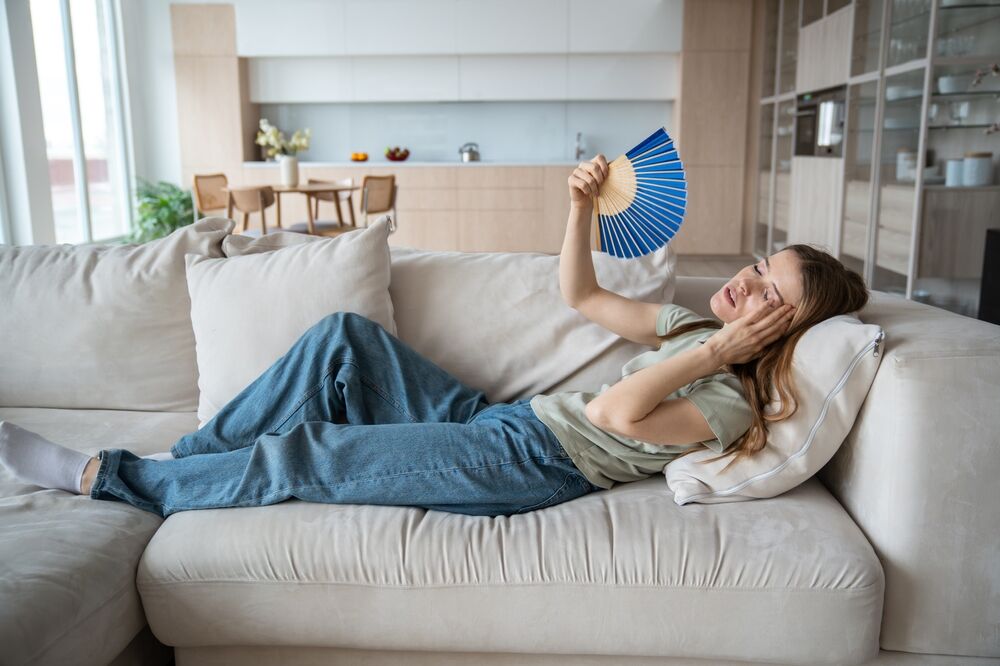
Why Upstairs Rooms Get Hotter Than the Rest of Your Home
Before we can look at what to do when it’s hotter upstairs than downstairs, let’s learn why this happens. As you likely know, hot air rises, so it naturally concentrates in the upper levels of your home. But as we’ll see, this issue still happens in homes with functioning, properly sized air conditioners. So why is upstairs hotter than downstairs?
Common Causes of a Hot Upstairs in Illinois Homes
There are a few possible reasons you’ll see a significant temperature difference between floors in your home, including:
Poor insulation or air leaks
Insulation and air sealing work together to keep heated or cooled air inside your home. If your attic has poor insulation or multiple doors and windows are allowing air to leak out, the cool air from your air conditioner won’t stay inside for long. Issues with insulation can also let sunlight heat your home’s upstairs or attic, resulting in significantly higher temperatures that are hard for your air conditioner to keep up with.
Inadequate airflow from your HVAC system
If your air conditioner doesn’t have reliable airflow, it won’t be able to cool down the space. Even the most high-performing AC will struggle to keep a space cool if the air can’t reach every part of the home. If the AC isn’t working upstairs due to weak airflow, you may also notice excessive humidity upstairs.
Incorrectly sized HVAC system
Air conditioner sizing is key to ensuring efficient cooling and reliable performance. HVAC technicians determine the size of the AC you need using a Manual J® load calculation, which factors in home size, air sealing, exposure to sunlight, and other factors. If your system is undersized for your home, the upstairs will never get as cool as the downstairs, since the system will be struggling against the thermodynamics of warm air rising.
Aging or inefficient equipment
You can expect an air conditioner to last for 10 to 15 years before reliability and efficiency become real concerns. After this point, it’s common for aging air conditioners to struggle to keep the entire space cool, even if they did when you first got the unit. If your AC isn’t cooling upstairs, ask yourself whether the system’s age is the problem.
Thermostat placement issues
Thermostats read the temperature of your space and communicate with the air conditioner, telling it when to turn on and off to reach the temperature you set. But since the thermostat only knows the temperature in the area around it (not the rest of your home), placement matters.
Whether you have a smart thermostat or a standard model, careful placement is key to ensuring accurate readings and a cool home. If your upstairs is significantly hotter, moving the thermostat might help address the issue.
Leaky or poorly designed ductwork
Your ductwork is responsible for transferring cool air from your AC throughout your home. However, if your ducts are leaking, have excessive bends, or are improperly sized, they will struggle to efficiently carry air. Since the upstairs is usually furthest from the AC, this is the first place you’ll notice signs of problems with your home’s ductwork.
Signs Your Cooling Problem Is More Than Just “Normal”
It’s normal for the upper levels of your home to be warmer than downstairs in the summertime. But how do you know what a standard issue is, and what indicates problems with your home cooling system? Here are a few signs that your cooling issue needs some attention from a professional:
- Upstairs is consistently 5–10º warmer than downstairs
- AC runs almost constantly, but never cools the upstairs
- You feel hot and cold spots throughout the home
- Your energy bills are rising with no change in your home comfort
- Certain rooms in your home become hot and unusable during summer days and evenings
Quick Fixes You Can Try Right Away
If you notice the issues above, it’s time to start looking at your AC and seeing what improvements you can make. Before you call an HVAC tech or replace your central unit with a ductless AC in a moment of frustration, try these quick, DIY fixes:
- Check, adjust, and open all duct vents and registers throughout the home
- Clean vent grills to ensure dust isn’t preventing airflow
- Check and replace (or upgrade) AC air filters
- Run ceiling fans to improve air circulation
- Keep blinds and curtains shut during hours of peak summer sun
- Seal any obvious air leaks around doors and windows
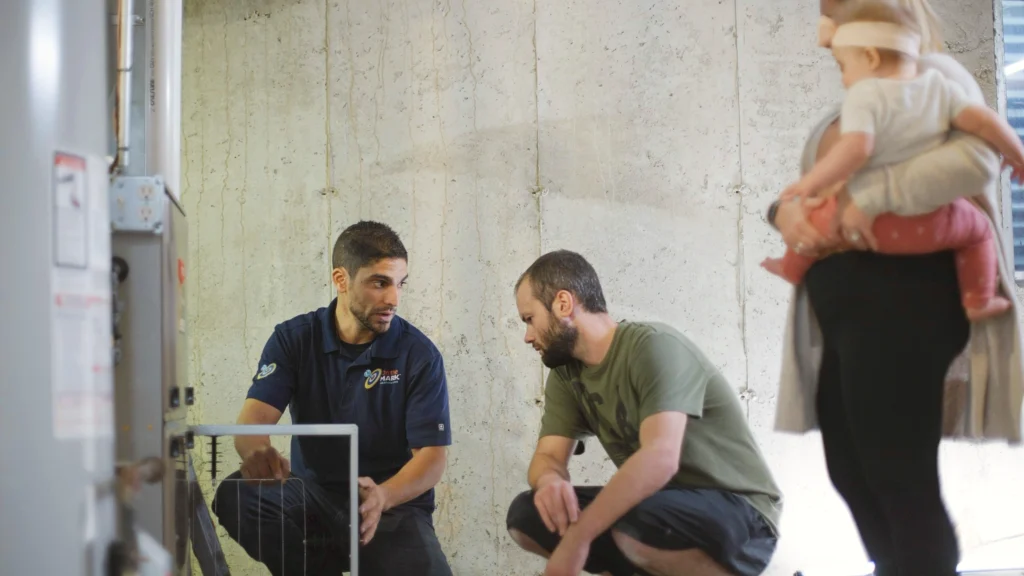
In some cases, these simple fixes can make a dramatic difference in your upstairs temperatures. If not, it’s time to call for help from a pro.
Long-Term Solutions for a Cooler Upstairs
Dealing with a very warm upper level isn’t just a comfort issue — it also means you’ll pay more on energy bills while running your AC, and you may even wear out your system prematurely. To avoid these issues and permanently address the cooling inconsistencies in your home, we recommend the following steps:
Improve insulation and air sealing
The number one way to improve your home’s temperature, boost AC performance, and reduce energy bills is to improve your home’s insulation and air sealing. This offers the double benefit of keeping conditioned air inside while also reducing the amount of heat entering your home during peak sunlight hours.
Upgrade or repair ductwork
If your ductwork is leaking air or isn’t large enough to reliably cool your upstairs, it’s time to have it repaired or upgraded. This can make a big difference in the temperature of your upstairs area.
Install a zoned HVAC system
Zoned HVAC systems are a fantastic way to get granular control over the temperature of various parts of your home. These are best set up with mini-split ACs rather than central systems, as the smaller, individual units can be set to cool different parts of your home more effectively.
Add a second thermostat or smart controls
Adding either a second thermostat or a smart thermostat system is another good way to get enhanced control over your home’s temperature. This allows you to account for temperature differences between upstairs and downstairs and offers greater control over the home’s overall temperature.
Consider HVAC system upgrades
If your air conditioner itself is struggling to cool your upstairs, it might be time to consider an upgrade. Investing in a modern, powerful, and high-efficiency air conditioner (properly sized) is a great way to ensure a cool, habitable upper level even during the hottest summers.
Why Zoning Is One of the Most Effective Solutions
Zoned air conditioning is one of the best ways to improve the temperature of your upstairs home. In a zoned system, the AC is controlled by multiple thermostats and dampers in your ductwork (or individual mini-split units), allowing you to get very specific about the temperature in each zone. This lets you finally get your upstairs cool and comfortable without turning your downstairs into an icebox.
Why a Whole-Home Evaluation Is the Key to Fixing the Problem
As we’ve seen, there are many possible reasons that your upper level is significantly hotter than downstairs. While the tips here can be a useful starting point, the best way to get even cooling throughout your home is to have the entire space evaluated by a pro. This gives you the chance to check ductwork, air sealing, insulation, thermostats, and the air conditioner itself, making it easier to make the upgrades you actually need to enjoy a cool space.
When to Call a Professional HVAC Technician
If you’ve had no success with the DIY tricks of changing air filters, running fans, and keeping blinds closed in the afternoon, it’s time to get a little help from an HVAC professional. At On the Mark Heating & Air, we employ a team of skilled, experienced technicians who can quickly identify the cause of cooling inconsistencies in your home and recommend fixes and upgrades to improve comfort in your space.
Finally Fix Your Hot Upstairs for Good
If you’re tired of dealing with a hot, humid upper level during the summer months, we’re here to help. On the Mark Heating & Air offers HVAC services that keep your home comfortable, as well as full home evaluations to help you determine if you need other services to improve cooling in your upstairs. For more information or to get help with your air conditioning today, don’t hesitate to contact us.

We're Ready to Help!
Need service for your home? Book an appointment online to receive fast reliable service!
Schedule Now Schedule Now5 Star Rating | 900+ Google Reviews
Hear from your neighbors about our heating, cooling and indoor air quality services in Schaumburg, IL.